Flock Safety CEO speaks out after LAPD suspends use of company's surveillance cameras


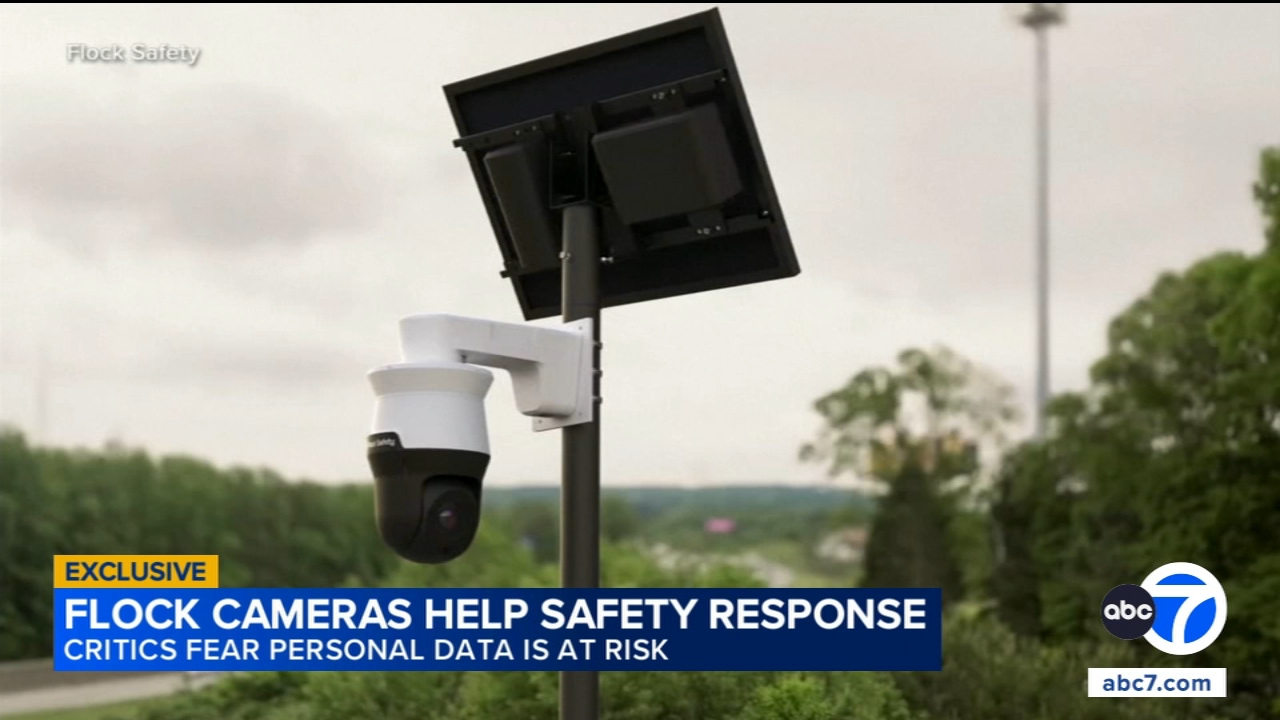
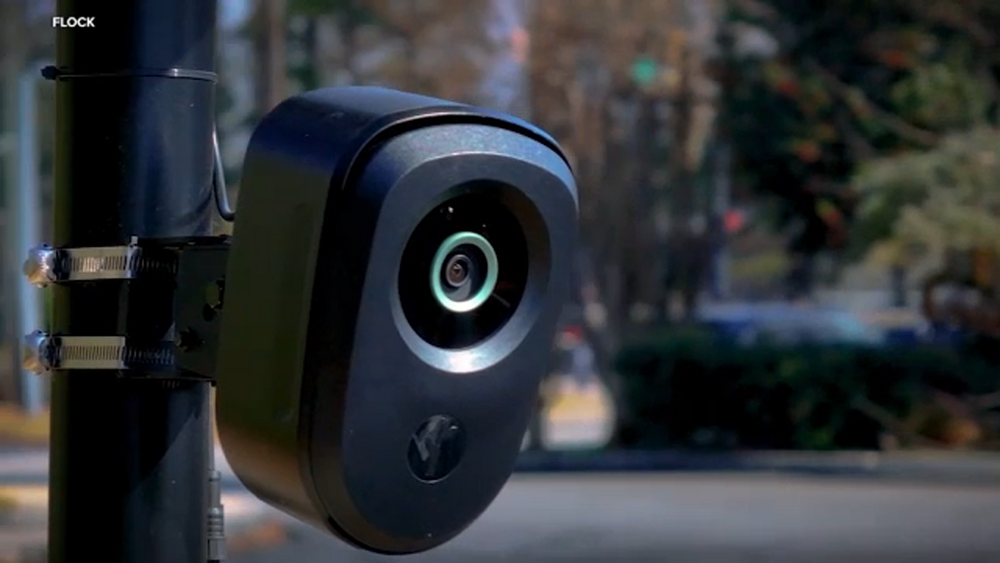
LOS ANGELES (KABC) -- Flock Safety bills itself as a public safety technology company, using license plate reading cameras to help law enforcement investigate crimes and locate missing people. But critics see something else - a growing surveillance network that has prompted concerns about privacy and how data is collected and shared.
"The LAPD had to make a difficult decision of continuing -- in this case, discontinuing -- using Flock services until we can get those data, privacy, security and sharing concerns ironed out through a contractual relationship," Dean Gialamas, the Los Angeles Police Department's chief information officer, told ABC7.
The LAPD recently ended its three-year partnership with Flock over those concerns. In an interview with ABC7, Flock co-founder and CEO Garrett Langley said he hopes the relationship will be restored.
"We've got to tighten up the policy and make sure everyone is aligned and then turn it back on," Langley said.
Even without LAPD as a customer, Flock still operates dozens of cameras throughout Los Angeles County and tens of thousands nationwide. Some residents worry the technology collects too much information.
"Just knowing that there's cameras watching your every move -- I mean, even if I'm out walking my dog or anything, I think it's just a privacy issue," said Burbank resident Kimberly Forbes.
Langley argues that's a misconception.
"The technology is really simple," he told ABC7. "A car drives by, we take a picture. It's a static picture of a car, and then we read the license plate. That's what the technology is -- it's actually not that complicated, it's pretty simple."
Flock says its system does not use facial recognition technology and does not identify who is driving a vehicle. The company says the license plate data captured is generally retained for 30 days, unless local laws require otherwise.
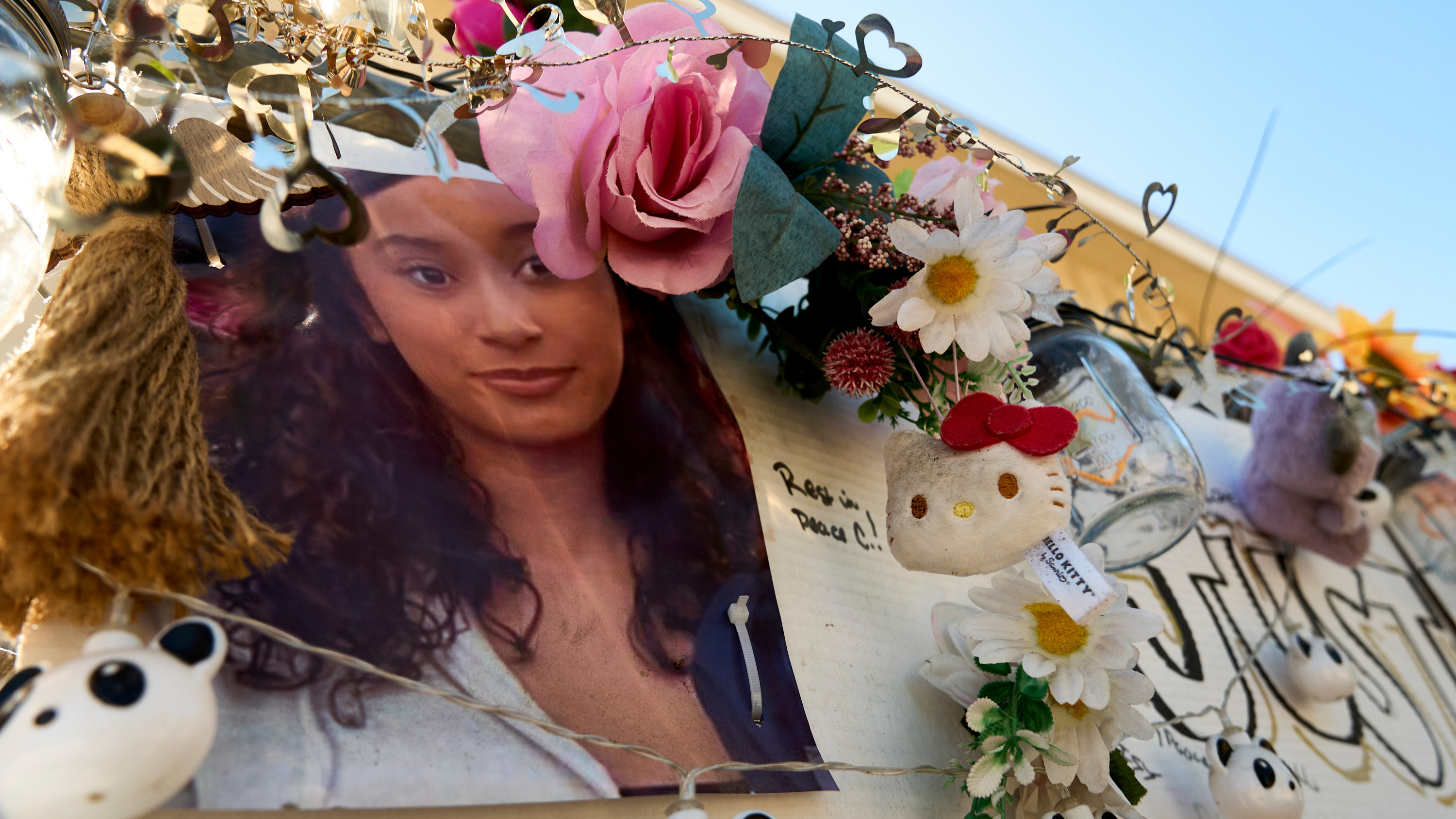
Langley pointed to cases where the technology has helped locate missing people and track criminal suspects, including convicted felon Jerrid Powell, who was charged in the killings of four people in Los Angeles.
"Doesn't the community feel better now? That person was only on the loose for a few days," Langley said. "I wish it was for only a few minutes. But I think more and more, as time goes on, we see that building confidence in a community -- that they're going to be safe, that their kids can go out and play, that you can start a business -- is critical to thriving communities."
Still, Langley said concerns from privacy advocates deserve to be heard. He believes many critics change their views once they understand what the cameras actually do.
"Once they understand what the technology actually does -- not what it might do in 50 years, not what someone thinks it could do, but what it actually does, day in and day out, it takes a picture of a car -- most people go, 'This makes a lot of sense. I want my kids to be safe.'"
The debate over Flock's technology is likely to continue, especially as communities weigh privacy concerns against the potential public safety benefits of license plate reader cameras.